Growing out your eyebrows: fuller brows in weeks

In this article
Note: This article contains affiliate/advertising links. As an Amazon Associate we earn from qualifying purchases. If you click such a link and buy something, we may receive a small commission – at no extra cost to you.
Do you wish your brows were fuller and denser again, but you over-plucked them over the years? Growing out your eyebrows is the most reliable route to natural fullness – but it costs one thing above all: patience. In this guide you’ll learn why brows thin out in the first place, what actually encourages hair growth, how long you realistically have to wait, and when it’s worth seeing a professional. Step by step, you’ll bring your eyebrows back into shape.
Why eyebrows thin out in the first place
Before you change anything, it’s worth looking at the cause. Not every gap has the same reason, and that determines how well your brows will grow back.
- Plucking too often: The most common reason. If a hair is pulled out repeatedly over the years, the follicle can tire and eventually stop producing hair.
- Age and hormones: With age and hormonal changes (pregnancy, menopause, thyroid issues), brows often become thinner.
- Nutrient deficiency: A lack of iron, biotin, zinc or protein affects hair growth all over – including the brows.
- Stress and skin issues: Heavy stress, irritation or eczema in the brow area can slow growth down.
Good to know: a healthy follicle needs around four to six weeks just to push a new visible hair to the surface. So patience isn’t a feel-good tip, it’s biology.
What actually encourages growth
There’s no miracle product that conjures full brows overnight. But there are several levers that, together, make a real difference.
1. Stop plucking – the most important step
As obvious as it sounds: the biggest mistake is to keep tweaking your brows. Put the tweezers down completely for at least eight to twelve weeks, even for the odd “stray” hair. Only then will you see what’s truly growing back, giving tired follicles a chance to recover. If the transition phase bothers you visually, a brow gel for combing helps more than tweezers.
2. Daily brushing
Brush your brows morning and evening with a clean spoolie (mascara wand), both against and with the direction of growth. This stimulates circulation, distributes natural skin oils and keeps the hairs supple. A short, gentle massage with your fingertips supports blood flow as well.
3. Nourishing oils
Natural oils provide hairs and skin with moisture. Particularly proven are castor oil (rich in fatty acids), as well as coconut, almond or argan oil. In the evening, apply a drop with a clean spoolie and let it work overnight. Important: oils don’t “fertilise” the hair, they care for it – this prevents brittleness and makes the brows look healthier.
4. An eyebrow serum
If you’d like to be more targeted, reach for a dedicated growth serum with peptides, vitamins and nourishing active ingredients meant to support the hair phase. How these products work and how to apply them correctly is covered in the guide to the eyebrow serum. Here too, allow several weeks before you see first effects.
5. Nutrition from within
Beautiful brows don’t grow from external care alone. Make sure you get enough protein, biotin, iron, zinc and vitamin D. A balanced diet with eggs, nuts, legumes, leafy greens and whole grains supports hair growth all over the body.
How long does it really take?
Honest expectations are crucial here. Eyebrow hairs run through a growth cycle, and you can’t speed it up, only support it as well as possible.
- Week 4 to 6: The first fine, new hairs become visible.
- Week 6 to 12: Gaps fill in noticeably, the shape looks fuller.
- From month 3 to 4: The result stabilises; now you can see which areas come back fully.
So realistically plan for a quarter of a year before you judge the final result. Take a photo at the start – in everyday life it’s easy to overlook the small progress.
When to allow yourself the shape again
Once your brows are fuller after a few weeks, you can have them gently brought back into shape. Instead of plucking yourself, it pays to get professional brow styling that respects the natural direction of growth. How to find the right shape for your face and what techniques exist is shown in the guide to eyebrow shaping. The rule of thumb: grow first, then define – never the other way around.
When a professional makes sense
Some gaps don’t come back despite all your patience – for example with scarred follicles after years of plucking. You don’t have to give up, though; you have good alternatives:
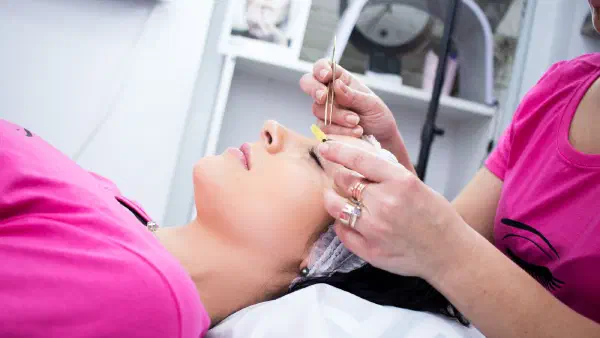
- Microblading: Pigment is placed into the upper skin layer with fine, hair-like strokes, so even empty spots look full and natural. How it works, how long it lasts and who it suits is covered in the guide to microblading for eyebrows.
- Brow lamination: Here the existing hairs are directed upward and fixed in place, so sparse brows look noticeably fuller – with no pigment at all. Everything about it is in the guide to eyebrow lamination.
A good beautician or brow studio will advise you honestly about which route suits your brows – and whether it’s worth waiting for the natural growth a little longer.
Frequently asked questions (FAQ)
How long does it take to grow eyebrows back fully? Expect at least six to twelve weeks before gaps fill in visibly, and around three to four months for the final result. The growth cycle of a single hair can’t be sped up, only optimally supported through care and patience.
Does castor oil really help eyebrow growth? Castor oil nourishes skin and hairs, keeps them supple and prevents brittleness – which makes brows look healthier and fuller. But it won’t make new hairs sprout from dead follicles. As supportive care it’s still recommended.
Can I pluck single stray hairs while growing them out? Better not. In the first eight to twelve weeks you should rest the tweezers completely, otherwise you won’t see what’s really regrowing. Instead, comb stray hairs into shape with a brow gel.
Do over-plucked eyebrows always grow back? Not always. If follicles have been damaged by constant plucking over many years, they sometimes no longer produce hair. If the gaps don’t return after three to four months, microblading or lamination are good alternatives.
Do supplements help brow growth? They can be useful if there’s a genuine deficiency in iron, biotin or zinc. A balanced diet usually covers the need, though. If you suspect a deficiency, it’s best to have your levels checked by a doctor before taking high-dose supplements.