Manual Extraction: What Happens During Deep Pore Cleansing
In this article
Clogged pores, blackheads and small blemishes often can’t be fully cleared with home care alone. This is exactly where manual extraction comes in: a classic part of the professional facial, in which the esthetician deliberately releases sebum plugs and keratin build-up from the pores. In this guide you’ll learn what happens during deep cleansing step by step, why preparation is so crucial and how to care for your skin optimally afterwards.
What does manual extraction actually mean?
During manual extraction, clogged pores are opened and emptied by hand. Inside the pores, a mixture of sebum, dead skin cells and environmental particles collects. When this plug oxidises at the surface, a dark blackhead (open comedone) forms; if the pore stays closed, a whitish bump (closed comedone) develops.
The goal of extraction is to remove these deposits without injuring the surrounding skin. This is manual work that requires experience and hygiene – which is why it belongs in skilled hands and not in front of the bathroom mirror at home.
How deep cleansing works step by step
A professional extraction follows a clear sequence. The individual phases build on one another and ensure that the pores are opened as gently as possible.
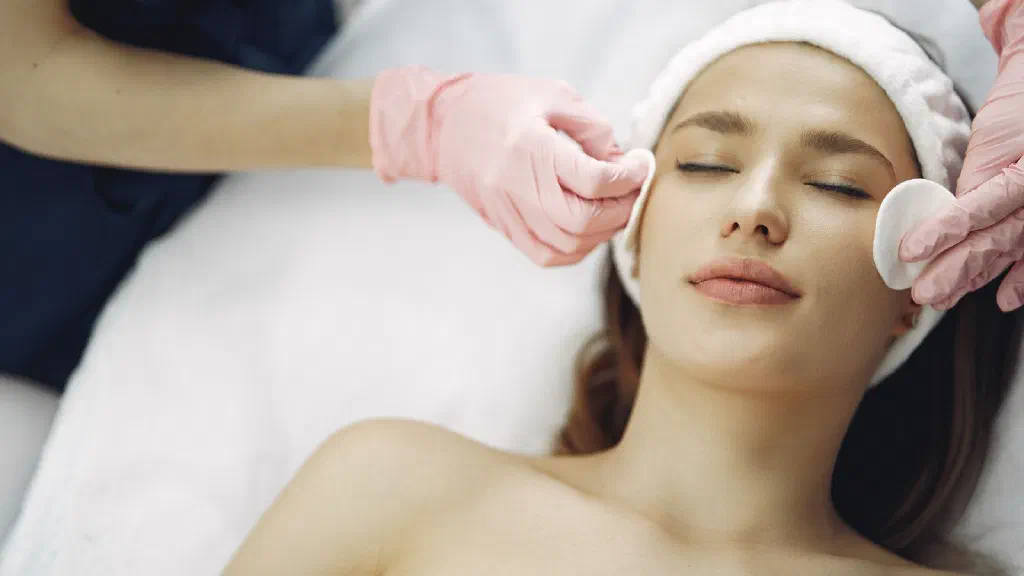
- Cleansing: Make-up, sebum and dirt are thoroughly removed with a mild cleansing product.
- Softening: Warm steam or warm compresses dilate the pores and make the sebum more pliable.
- Peeling: An enzyme or fruit acid peel loosens the upper horny layer and makes it easier to release the plugs.
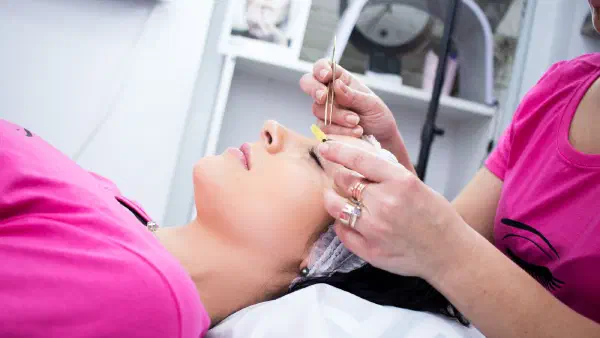
- Extraction: Using a cloth, fingers or a comedone extractor, the work is done deliberately and with controlled pressure.
- Soothing: A cooling, anti-inflammatory mask completes the treatment.
Preparation: opening the pores
The most important part happens before any pressure is applied to the skin at all. Warmth and a chemical peel soften the keratin build-up to the point where the contents of the pores release almost on their own. If this step is skipped, the esthetician has to press harder – and that is exactly what leads to irritation.
The actual extraction
When releasing blackheads, a good professional works with even, lateral pressure and lays their fingers flat into a cloth rather than squeezing with their nails. If a comedone won’t release easily, it is left alone. Forced pressure can push the sebum deeper into the tissue and trigger inflammation. Deep, painful nodules don’t belong in cosmetic extraction anyway, but rather in dermatological treatment – so when in doubt, have it checked by a doctor.
Who is extraction suitable for?
Skin types prone to combination skin, oily skin or enlarged pores benefit in particular. Blemished skin with many comedones can also be visibly refined this way. Manual extraction is less suitable for severely inflammatory acne with pustules and cysts, for very sensitive or couperose skin, and for freshly irritated skin. In such cases, gentler procedures or a medical assessment make more sense.
If you also want to firm your skin and improve circulation, you can complement the treatment with techniques from our article Facial massage at home: techniques for firmer skin – but only once the skin has fully calmed down again after extraction.
The right care after extraction
After the treatment, the skin is briefly more sensitive and may be red. With the right care, these reactions subside quickly.
- Soothe: Reach for mild, low-irritant products with ingredients such as panthenol or aloe vera.
- Moisture: A light, non-comedogenic moisturiser supports the skin barrier.
- Sun protection: Freshly extracted skin reacts sensitively to UV radiation – sun protection is a must during the day.
- Hands off: Don’t touch or squeeze the skin yourself in the first few hours.
What to avoid for 24 hours
In the first 24 hours, the skin is most permeable. During this period, avoid irritating active ingredients such as retinol, AHA/BHA acids and heavily fragranced products. Sauna, intense exercise with heavy sweating, swimming pools and direct sunbathing are also a bad idea during this phase, as they can place additional strain on open pores.
Make-up should – if possible – also be paused for a day so the pores can close undisturbed.
Combining extraction with other treatments
Manual extraction combines well with other treatments. A preceding peel improves the result because the comedones release more easily. If you also want a noticeably smoother skin surface, you can read about removing fine hairs and dead cells in our article Dermaplaning: smooth skin through gentle exfoliation explained. Both procedures complement each other, but should not be carried out during the irritated phase directly after extraction.
How often extraction makes sense depends on your skin condition. For skin that is highly prone to blemishes, a rhythm of around four to six weeks can work, while for calmer skin a longer interval is enough. Extracting too frequently can overwhelm the skin and encourage new irritation.
Frequently asked questions (FAQ)
Does manual extraction hurt? A light pulling or pressing is normal, especially in more sensitive zones like the nose and chin. With good preparation using warmth and a peel, the sensation remains quite bearable. Strong pain is a sign that too much pressure is being applied – address it right away.
How long is the skin red after extraction? Mild redness usually subsides within a few hours to a day. With soothing care and consistent sun protection, the skin calms down faster. If redness, swelling or pain persists for several days, you should have it checked by a doctor.
Can I do the extraction myself at home? A complete self-extraction is not advisable. Without experience, hygiene and the right technique, you can easily push the sebum deeper into the tissue and risk inflammation or scarring. Gentle home care with cleansing, a mild peel and moisture supports the skin, but does not replace professional extraction.
How often should extraction be done? This depends on your skin condition. Blemished skin often benefits from an interval of around four to six weeks, while calmer skin needs treatment less frequently. More important than a rigid rhythm is paying attention to how your skin reacts and not extracting too often.