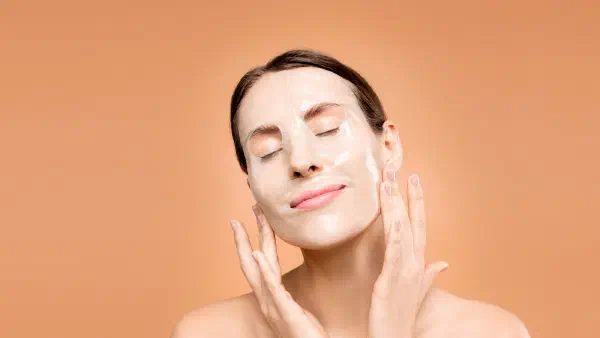
Finding the Right Face Mask for Every Skin Type

In this article
Note: This article contains affiliate/advertising links. As an Amazon Associate we earn from qualifying purchases. If you click such a link and buy something, we may receive a small commission – at no extra cost to you.
A face mask can give your skin exactly what it’s currently lacking in a short amount of time, provided you choose the right one. Because not every mask suits every need: what relieves oily skin can dry out dry skin even more. The art lies in recognizing your skin type and your current skin condition and matching the mask specifically to it. In this guide, you’ll learn which mask suits which skin and what to keep in mind during application.
First determine your skin type, then choose the mask
Before reaching for a mask, an honest look in the mirror is worthwhile. Skin types can be broadly distinguished:
- Oily skin quickly becomes shiny, especially in the T-zone, and tends toward enlarged pores and blemishes.
- Dry skin feels tight, looks dull, sometimes flaky, and reacts sensitively to cold or cleansing.
- Combination skin combines an oily T-zone with drier cheek areas.
- Sensitive skin reddens easily, itches, or stings with many products.
- Mature skin loses firmness and moisture.
Important: Your skin type is largely genetic, whereas your skin condition changes over time – through season, stress, diet, or hormones. Even oily skin can temporarily need moisture. So observe your skin regularly and adjust your care accordingly.
Clay and healing earth masks for oily and blemish-prone skin
Mineral masks with clay (such as kaolin or bentonite) or healing earth are the classics for oily, greasy, and blemish-prone skin. They work by absorbing excess sebum, mattifying the skin, and visually refining the pores. As they dry, they draw oil and deposits to the surface.
These masks work well as supportive care when your skin tends toward blackheads. However, they don’t replace gentle removal – you can read about the best way to go about this in our article Removing Blackheads Properly: Gentle Instead of Squeezing.
Here’s how to get the most out of a clay mask:
- Apply it only to cleansed skin and especially in the T-zone.
- Don’t let it dry completely hard – this can irritate. Remove it while it’s still slightly damp.
- Use it once, or at most twice, a week, no more often.
- Afterwards, be sure to follow up with a light moisturizer, since the skin is degreased after removal.
For dry or sensitive skin, these masks are usually too strong – they can dry the skin out even more.
Hydrating masks for dry and stressed skin
Hydrating masks have a creamy to gel-like consistency and supply the skin with moisture-binding and soothing active ingredients. Typical ingredients are hyaluronic acid, aloe vera, glycerin, panthenol, or nourishing oils. Unlike clay masks, they don’t dry out but stay soft and absorb into the skin.
These masks are ideal for:
- dry skin that feels tight or flakes,
- mature skin that has lost elasticity,
- stressed skin after sun, cold, or intensive cleansing,
- combination skin, when you apply it specifically to the dry areas.
Even oily skin occasionally benefits from a light hydrating mask, for example after a manual deep cleanse. What happens deep down during this and why the skin needs care afterwards is explained in Manual Deep Cleansing: What Happens During a Deep Cleanse.
You can use hydrating masks more generously than mineral masks – two to three times a week is generally unproblematic. Some are even suitable as a nourishing overnight mask.
Sheet masks: quick care in between
Sheet masks consist of a serum-soaked fabric that you place on your face for 10 to 20 minutes. The big advantage: the sheet lightly seals the skin so the active ingredients can absorb better. They’re especially practical because you don’t have to wash anything off and simply pat in the remaining serum.
Sheet masks come in many varieties – hydrating, soothing, or refreshing. They work well for tired, dull, or slightly irritated skin and are a pleasant treatment before a special occasion. For very oily, blemish-prone skin they’re less effective, because they don’t bind sebum.
For sensitive skin, look for the shortest, simplest possible ingredient list without strong fragrances.
How to turn the mask into a little routine
A mask works best as part of a well-thought-out skincare routine:
- Cleanse: Remove make-up and dirt so the active ingredients can reach the skin.
- Apply the mask: Stick to the recommended application time – longer is not better.
- Remove or let it absorb: Depending on the mask type, rinse off or pat in the residue.
- Care: Finish with serum and moisturizer.
With combination skin, you can also multi-mask: clay on the T-zone, moisture on the cheeks. That way each zone gets exactly what it needs.
If your skin reacts persistently irritated, with lasting redness, burning, or blemishes that don’t subside, you should have this checked by a doctor or dermatologist when in doubt.
Frequently Asked Questions (FAQ)
How often should I use a face mask?
That depends on the type of mask. You should use clay and healing earth masks once, or at most twice, a week, since they degrease. Hydrating masks can be used more often, around two to three times a week. Sheet masks are suited to quick care in between.
Which mask suits combination skin?
For combination skin, so-called multi-masking has proven effective: apply a clay mask only to the oily T-zone and simultaneously supply the drier cheeks with a hydrating mask. That way each area gets the right care.
Can oily skin also tolerate a hydrating mask?
Yes. Oily skin does produce a lot of sebum, but it can still suffer from a lack of moisture. A light, oil-free hydrating mask soothes the skin without weighing it down further – especially after cleansing or a deep cleanse.
What should I do if the mask burns or the skin reddens?
Remove the mask immediately and rinse your face with lukewarm water. A slight tightness is normal with some masks, but strong burning or lasting redness is not. Test new products in advance on a small patch of skin and, in case of doubt, have persistent reactions checked by a doctor.