Hydrafacial: what's behind the deep cleanse
In this article
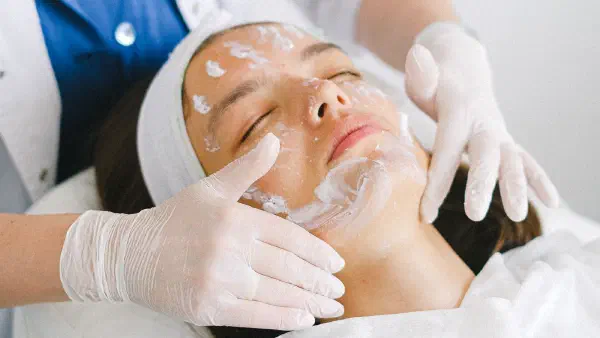
Perhaps you’ve heard the term Hydrafacial before and wondered what sets this treatment apart from a classic facial cleanse. At its core, it’s a device-assisted cleansing and care treatment that combines several steps in one procedure: it cleanses, exfoliates, extracts impurities and infuses nourishing active ingredients into the upper skin layer. What makes it special is the combination of mechanical cleansing and simultaneous hydration of the skin. In this guide you’ll learn how the treatment is structured, what it actually does for your skin and what you should keep in mind.
What is a Hydrafacial anyway?
Hydrafacial is a form of device-assisted skincare in which a handpiece with a special tip is guided across the skin. Through this tip, active-ingredient solutions are applied and impurities are gently suctioned off at the same time. That’s why people often speak of a deep cleanse with simultaneous hydration – in contrast to many peels, which tend to dry the skin out.
The key difference from a classic treatment lies in how it works: instead of working only on the surface, the procedure combines mechanical cleansing with a fluid-based system. This makes it possible to loosen dead skin flakes, excess sebum and deposits in the pores in a single pass.
How does the treatment work?
A session usually takes around 30 to 60 minutes and is divided into several steps that build on one another:
- Cleansing and exfoliation: first, the skin is freed of make-up and sebum. A gentle peel loosens the topmost layer of dead skin cells.
- Gentle solution (exfoliation): a mild active-ingredient solution – often based on fruit or salicylic acid – softens cornification and blockages in the pores.
- Extraction by vacuum: a light suction draws blackheads and deposits out of the pores. This step replaces the often skin-irritating manual squeezing.
- Active-ingredient care: to finish, moisturising and soothing serums are applied, for example with hyaluronic acid or antioxidants.
The treatment is considered non-invasive and requires no needles. Most people find it pleasant – a light suction or tingling sensation on the skin is normal.
Does it hurt and is there any downtime?
A Hydrafacial usually causes no pain and no notable downtime. Right after the treatment the skin may be slightly reddened, but this generally settles within a few hours. So you can fit an appointment in between other things without having to set aside several days afterwards.
What does the treatment do for your skin?
The immediate effect is a fresh, even complexion. Because dead cells and sebum are removed while the skin is hydrated at the same time, it looks smoother and plumper right after the appointment. Typical goals are:
- a refined pore appearance thanks to the extraction
- more hydration and a suppler skin feel
- a more even complexion, because surface cornification is reduced
- better absorption of the care products you use at home afterwards
A realistic expectation is important: a single appointment delivers a visible freshness effect, but no permanent change to the skin’s structure. For lasting results, many people rely on repeated treatments a few weeks apart, combined with suitable home care. A well-chosen face mask for your skin type can support the freshness effect between appointments. If you want a more evenly tinted complexion beyond the pure freshness effect, semi-permanent BB Glow for the face is also worth a look.
Who is a Hydrafacial right for?
The treatment is considered versatile and is often offered for different skin types. It’s especially interesting if your skin tends towards impurities, clogged pores or shine or looks rather dry and dull. Since the extraction is gentler than manual removal, it’s also an alternative if you tend to squeeze blackheads the wrong way and harm yourself in the process.
You should be cautious if you:
- have acute skin inflammation, open areas or sunburn
- suffer from rosacea, severe acne or eczema
- react sensitively to acids or certain active ingredients
- are pregnant and unsure about the choice of active ingredients
In these cases the rule is: talk to an experienced skincare professional beforehand and, when in doubt, have your skin checked by a doctor before booking an appointment. A good professional adapts the solutions used to your skin’s needs.
What to look out for at the appointment
For the result to be right, it comes down to the execution. Pay attention to the following points:
- Consultation beforehand: a brief conversation about your skin type, allergies and pre-existing conditions should go without saying.
- Hygiene: tips and consumables must be clean or single-use.
- Qualification: have the treatment carried out by trained specialists who adjust the device settings to your skin.
- Aftercare: avoid aggressive peels and strongly irritating products right afterwards, and protect your skin consistently from the sun.
That way you get the most out of the treatment and avoid unnecessary irritation.
Frequently asked questions (FAQ)
How often should you have a Hydrafacial?
For a pure freshness effect, a single appointment is enough, for example before a special occasion. Anyone wanting to care for their complexion long term often repeats the treatment at intervals of about four to six weeks. The ideal frequency depends on your skin type and your goals and should be discussed with the skincare professional.
How does a Hydrafacial differ from a classic facial cleanse?
In a classic cleanse, impurities are usually squeezed out manually, which can irritate the skin. The Hydrafacial instead works with a vacuum process and supplies the skin with hydration and active ingredients at the same time. As a result, the treatment generally feels gentler and the skin looks less irritated afterwards.
Is the treatment also suitable for sensitive skin?
The treatment is gentle in principle, yet sensitive skin reacts individually. The active-ingredient solutions can often be adapted to the skin’s sensitivity. If you tend towards redness, rosacea or allergies, you should mention this beforehand and, when in doubt, have it checked by a doctor.
Do you see a result straight away?
Yes, the typical effect is visible right after the appointment: the skin looks smoother, fresher and more even. This immediate freshness effect is not permanent, however. For a long-term improvement in your complexion, regular treatments and consistent home care are what count.