Microblading: the hair-stroke technique for eyebrows at a glance
In this article
Sparse or patchy eyebrows can be visually filled with microblading – using hairs that look deceptively real. The technique belongs to permanent make-up and draws fine lines into the skin that mimic individual brow hairs. In this overview you will learn how microblading works, what the procedure looks like, how long the result lasts, what costs to roughly expect, what risks exist and how the method differs from powder brows.
What is microblading?
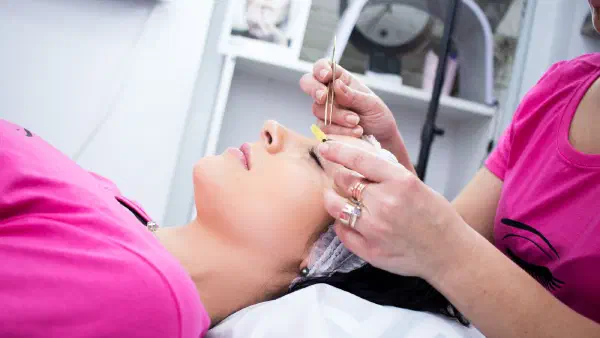
Microblading is a form of permanent make-up for the eyebrows. With a handheld tool that bundles several fine needles into a blade, the practitioner scratches hair-fine lines into the top layer of skin and works in colour pigment. This creates individually drawn “hairs” that follow the natural growth.
The effect is particularly natural because the lines mimic real hairs. Microblading is well suited to densifying patchy or sparse brows and clearly defining the shape. Unlike the flat powder gradient of powder brows, the focus here is on fine line work – the result looks more like real hairs than applied make-up.
How the treatment works
It always starts with a consultation in which shape, colour, expectations and possible contraindications are discussed. Plan for about two to three hours for the actual appointment – the pre-drawing and letting the numbing cream take effect take up a large part of the time.
- Pre-drawing: The desired brow shape is mapped out with measuring points and agreed until it suits your face shape and symmetry.
- Numbing: A numbing cream is left on for a few minutes and reduces discomfort.
- Drawing: The practitioner sets the fine hair lines stroke by stroke, following the natural direction of growth.
- Aftercare talk: You receive precise care instructions for healing.
After about four to six weeks there is usually a touch-up to refresh faded areas and complete the result. This first refresh is a fixed part of the treatment, because some pigment is shed during healing and the final picture only settles afterwards.
Preparing properly
With a little preparation the hairs sit cleanly and the pigment holds better. These tips are common – but the exact instructions always come from your practitioner:
- A few days beforehand, avoid blood-thinning agents, alcohol and a lot of caffeine, as far as medically reasonable – this reduces bleeding and smudging of the fine lines.
- Do not pluck, wax or tint the brows just before the appointment; the natural shape helps with the pre-drawing.
- Pause exfoliants, fruit acids and retinol in the brow area in good time.
- Avoid fresh tan or sunburn on the face.
Longevity and care
Depending on skin and care, microblading usually lasts one to two years – slightly shorter than a flat powder gradient, because the fine lines fade faster. On oily skin the hairs can blur more easily, which is why powder brows are sometimes the more robust choice there. In the first one to two weeks light flaking may appear, and the lines look darker and sharper at first before the colour clears. During healing: keep dry, do not scratch, avoid sun and exfoliants. Consistent sun protection and wound care according to instructions keep the colour longer. A regular refresh keeps the brows sharply drawn.
Who microblading suits
Microblading is worthwhile above all for anyone who wants to fill individual gaps or subtly densify a sparse brow and prefers a look that is as natural and unobtrusive as possible. It works well on normal to dry, fairly firm skin. On very oily, large-pored or mature skin, by contrast, the fine lines blur faster – here many studios rather recommend powder brows or a combination. Those who only want to shape the brows temporarily will find a non-permanent alternative in the overview of eyebrow lamination. What really suits you is decided by the practitioner based on skin, growth and desired result.
Risks and contraindications
Microblading injures the skin and is therefore not without risk. Possible are inflammation, allergic reactions, scarring or an undesired result. Note:
- Only with qualified, trained practitioners using sterile single-use materials.
- During pregnancy, with diabetes, blood clotting disorders, skin conditions in the brow area or a tendency to keloid scars, clarify medically beforehand.
- Look for clean rooms, hygiene certificates and honest before-and-after examples.
This text is for information only and does not replace professional or medical advice.
Microblading or powder brows?
Both techniques are permanent make-up but create a different look. Microblading draws individual hairs for a very natural effect, while powder brows create a soft, make-up-like powder gradient that often lasts longer and suits oily skin better. Some studios combine both into a “combo brow”. How the methods differ overall is compared in the overview eyebrow permanent make-up: techniques compared. What suits you is best clarified in the consultation.
Frequently asked questions (FAQ)
Does microblading hurt?
Thanks to numbing cream, most people find the treatment quite bearable – felt as a fine scratching. Pain perception varies from person to person.
Roughly how much does microblading cost?
Prices depend heavily on region and studio. As a rough guide they are often in the mid three-digit range, usually including the first touch-up. Only the individual studio can give binding figures.
How long does healing take?
Surface healing usually takes one to two weeks with possible light flaking. The final result appears after about four to six weeks, often after the touch-up.
Who is microblading not suitable for?
During pregnancy, with certain pre-existing conditions, skin problems in the brow area or a tendency to heavy scarring, medical advice should be sought beforehand. A reputable practitioner checks contraindications in the consultation.
Does the result look finished right after the appointment?
No. At first the hairs look stronger and darker. Only after healing and the touch-up does the fine, natural look show. A little patience in the first weeks is part of the process.
How often does microblading need refreshing?
A refresh usually makes sense after one to two years once the lines fade. How often cosmetic treatments make sense overall is put into context in How often is a cosmetic treatment worthwhile?.