Removing Blackheads the Right Way: Gentle Instead of Squeezing
In this article
Note: This article contains affiliate/advertising links. As an Amazon Associate we earn from qualifying purchases. If you click such a link and buy something, we may receive a small commission – at no extra cost to you.
Blackheads are annoying, but no reason to panic. However, anyone who impatiently squeezes them out with their fingernails risks exactly what they actually want to get rid of: red, inflamed skin, larger pores and, in the worst case, small scars. The good news is that with the right routine you can significantly reduce blackheads and remove them gently, without stressing your skin. In this guide you’ll learn how blackheads form in the first place, which methods are truly safe and what you should keep your hands off.
What Blackheads Actually Are
Blackheads, technically called comedones, are clogged pores. Inside every pore sits a sebaceous gland that produces a natural skin oil. When this sebum clogs the pore opening together with dead skin flakes, a plug forms. If the pore stays open at the top, the sebum oxidizes in the air and turns dark: this is the classic open comedo (blackhead). If the pore is closed, on the other hand, the plug shimmers whitish under the skin, which is known as a closed comedo (whitehead).
Important to know: the dark color does not come from dirt, but from a natural oxidation process. That’s why aggressive scrubbing doesn’t help either, it only irritates the skin further. Also, don’t confuse a closed comedo with the small white milk spots that form differently and need a different approach: you can read more in our guide on safely removing milia.
Why You Shouldn’t Simply Squeeze Out Blackheads
Squeezing them out with your fingernails feels satisfying, but it’s the main cause of the typical follow-up problems:
- Inflammation, because bacteria from fingers and nails get into the open pore.
- Scars and dark spots, when the surrounding tissue is damaged by strong pressure.
- Pushing the plug deeper, which makes the pore become inflamed and turn into a pimple.
- Larger pores, because the tissue around the pore is stretched and irritated.
If you really can’t resist, never press with your nails, but at most very gently with fingertips wrapped in tissue, and only on an already loosened, open blackhead. At the slightest redness or pain: stop immediately.
Gentle Methods That Really Help
Regular, Mild Cleansing
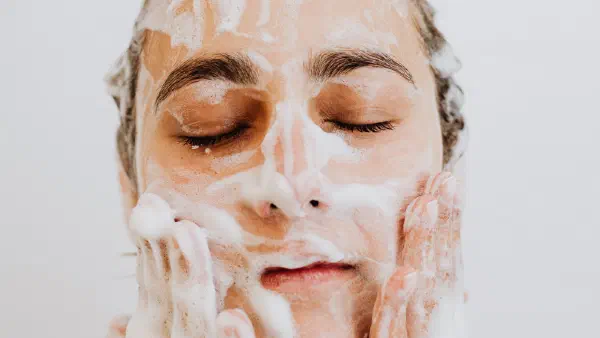
The foundation against blackheads is consistent cleansing in the morning and evening with a mild, non-drying product. If you regularly remove excess sebum, make-up and skin flakes, the pores clog less often. Avoid aggressive, heavily foaming soaps, because dried-out skin often produces even more sebum.
Gentle Exfoliation With Active Ingredients
Instead of coarse scrub exfoliants, chemical peels are considerably gentler and more effective. Salicylic acid (BHA) is fat-soluble and can penetrate deep into the pore to dissolve clogs. Fruit acids (AHA) smooth the skin surface and loosen dead cells. At first, use such active ingredients only two to three times a week and increase slowly to avoid irritation.
Warmth to Open the Pores
Warmth softens the sebum plug and makes the pores more receptive. A warm, damp cloth placed on the affected area for one to two minutes, or a short steam bath, loosens blackheads without any pressure at all. Afterwards, loosened blackheads can often be removed simply through gentle cleansing.
Clay and Mud Masks
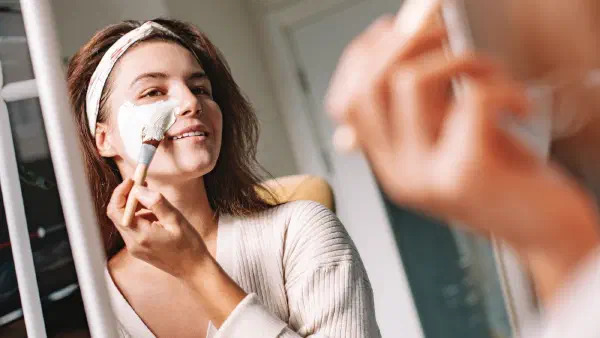
Masks with healing clay or mud bind excess sebum and can visibly refine the skin. One to two applications per week are enough. Don’t let the mask dry out completely and crack, as this draws too much moisture from the skin.
What You’re Better Off Avoiding
Some popular home remedies and gadgets do more harm than good:
- Pore strips only pull out the topmost, visible plugs and irritate the skin with frequent use.
- Baking soda, toothpaste or lemon juice shift the skin’s pH value and can trigger irritation.
- Metal comedone extractors from the drugstore shelf easily injure the skin if you use them without practice.
- Over-exfoliating, which weakens the skin’s protective barrier and makes it more sensitive.
When a Professional Extraction Makes Sense
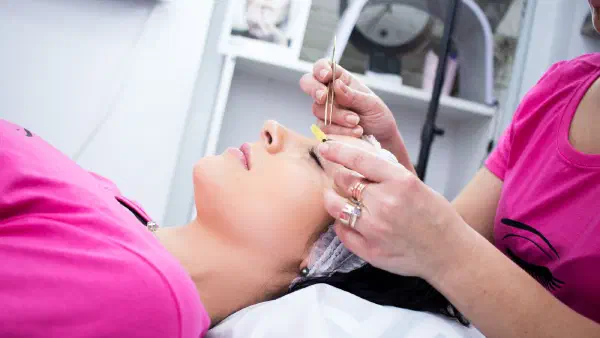
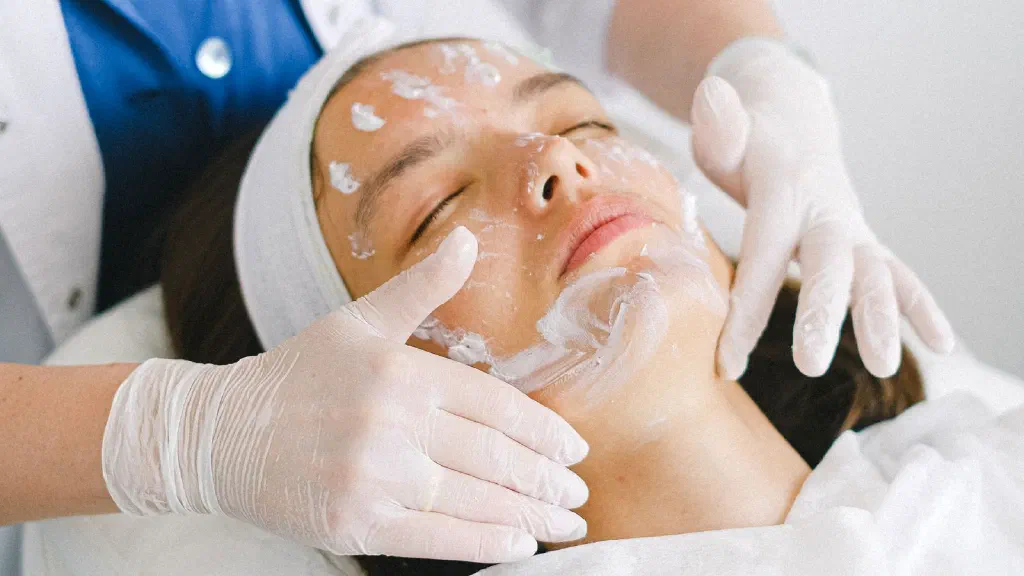
For stubborn, deep-seated or already inflamed blackheads, the safest solution is a proper treatment at a beauty institute. There, the pores are prepared with warmth and the blackheads are loosened with sterile tools and the right technique, so that the risk of scarring stays minimal. If you’d like to know what happens step by step during such a treatment, you’ll find details in our article on manual extraction and what happens during deep cleansing.
Good blood circulation additionally supports a well-cared-for complexion. With a gentle facial massage at home you can complement your care routine and work in the active ingredients better.
If blackheads appear over large areas, come with severe inflammation or can’t be brought under control despite consistent care, you should have the cause checked by a doctor or dermatologist if in doubt.
The Right Care Afterwards
After every cleansing or treatment, your skin needs moisture. Reach for a light, non-comedogenic care product that doesn’t clog the pores again. Good sun protection is also important, because freshly treated skin reacts more sensitively to UV radiation, and dark spots after inflammation fade more slowly. If the pores still look clearly visible even after the blackheads are gone, the guide on minimising large pores helps further with active ingredients and routine. With a little patience and a calm, regular routine, you’ll achieve a clearer complexion, completely without pressing and squeezing.
Frequently Asked Questions (FAQ)
How often should I remove blackheads?
You shouldn’t carry out an extraction on your own constantly. Instead, rely on daily mild cleansing and one to two gentle exfoliations per week. A more intensive, professional extraction is generally enough every four to six weeks.
Do pore strips help against blackheads?
They only remove the topmost, visible tip of the plug and don’t solve the problem permanently. With frequent use they irritate the skin and can even irritate the pores. Active ingredients like salicylic acid are more sustainable.
Can I influence blackheads through diet?
A balanced diet and enough water support a healthy complexion, but they’re no substitute for the right care. With severely impure skin, it’s worth having possible triggers checked by a doctor if in doubt.
What should I do if a blackhead has become inflamed?
Leave the spot alone and don’t poke at it. Keep it clean and avoid irritating products. If the inflammation doesn’t subside or spreads, a dermatological evaluation is advisable.