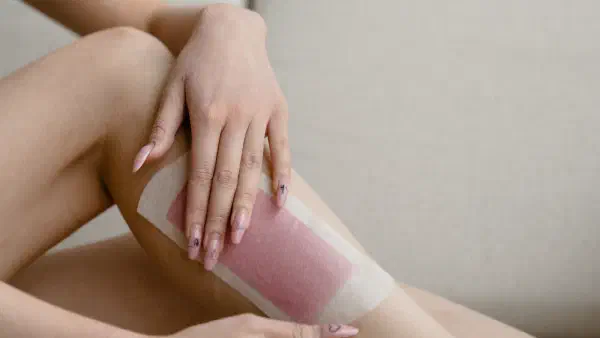
Caring for skin after hair removal: against redness and irritation
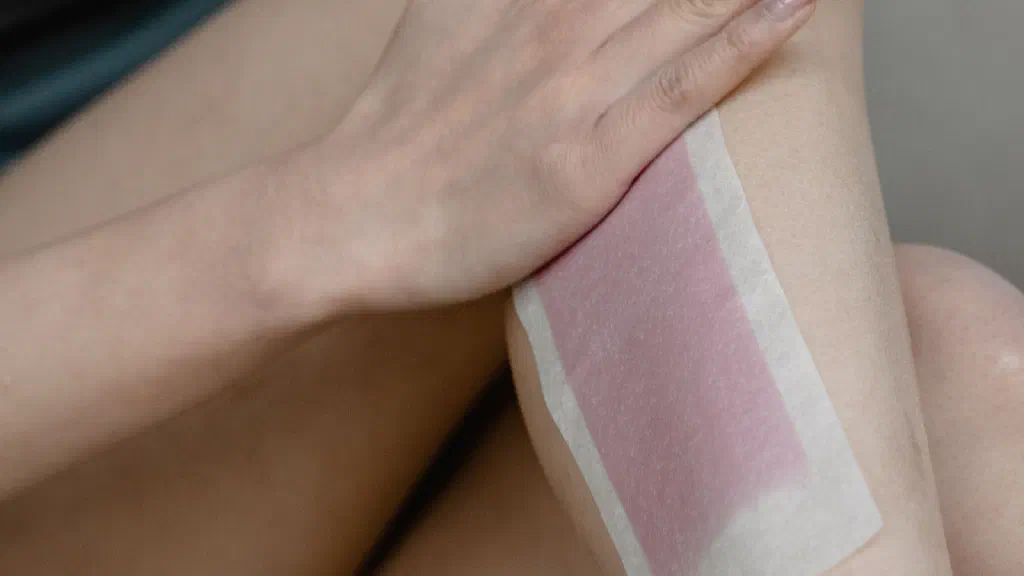
In this article
Whether you shave, wax, sugar or go for laser treatment: every form of hair removal puts a small strain on your skin. The top layer of skin is irritated, the sebaceous glands and hair follicles are briefly open, and that is exactly why the skin often reacts with redness, a burning sensation or small spots. With the right care immediately afterwards, you can significantly ease these reactions and quickly get your skin smooth and calm again. Here you will learn what matters, step by step.
Why skin reacts with irritation after hair removal
With every method, the skin barrier is briefly disrupted. With waxing and sugaring, the hairs are pulled out together with the root, which leaves the follicles open and sensitive. When shaving, the blade removes not only hairs but also tiny amounts of dead skin cells. With laser treatment and IPL, heat is directed into the hair root, which can trigger a mild inflammatory reaction.
Typical reactions are:
- redness and a warm, slightly tight feeling on the skin
- small red dots around the follicles (so-called early-stage folliculitis)
- itching or a slight burning sensation
- in some cases ingrown hairs in the following days
This is usually harmless and subsides within a few hours to days. The important thing is not to irritate the skin further during this phase.
The first few minutes: soothe and cool immediately
Right after hair removal, the rule is: cooling is your best friend. Gentle cooling constricts the blood vessels, relieves the feeling of warmth and reduces redness.
- Place a clean, cool (not ice-cold) cloth on the treated area for a few minutes.
- Avoid direct contact with ice, as this can put extra stress on the already irritated skin.
- Cleanse the skin only with lukewarm water and a mild, fragrance-free wash gel if any wax or sugar residue remains.
Afterwards, apply a light, soothing product. Low-irritant ingredients such as aloe vera, panthenol (provitamin B5), allantoin or bisabolol are well suited. These provide moisture and help the skin to calm down without clogging the pores.
What you should avoid in the first 24 to 48 hours
In the first one to two days, the skin is especially permeable and vulnerable. Stick to the following list of things to avoid:
- No heat: sauna, hot full baths and hot showers cause the pores to swell further and intensify redness.
- No exercise: sweat contains salts and bacteria that can get into open follicles and cause small spots.
- No sun and no tanning bed: the irritated skin is more sensitive to light and the risk of pigment spots increases. After laser treatment, sun protection is especially important.
- No perfume and no alcohol-based products directly on the area, as they sting and dry it out.
- No exfoliation in the first 48 hours, as that would be too much friction all at once.
- Avoid tight, synthetic clothing; loose-fitting cotton chafes less.
If you are getting waxed later the same day, it is best to plan this recovery time so that no exercise or sun appointments follow afterwards. You can find more about the method itself in our article Waxing: lasting smooth skin with warm and cold wax.
The right care from the second day on
Once the acute irritation has subsided, it is all about moisture and prevention. Well-cared-for skin is less prone to ingrown hairs and regenerates faster.
Provide moisture
Use a light, fragrance-free moisturising lotion without irritating additives. Look for ingredients such as glycerine, urea in a low concentration or shea butter for drier areas of skin. Apply the care product daily, ideally in the morning and evening.
Exfoliate gently against ingrown hairs
From about the third day on, you can carefully exfoliate again. This removes dead skin cells and helps regrowing hairs come to the surface more easily.
- Use a mild mechanical exfoliant (a soft glove or a fine-grained product) two to three times a week.
- Alternatively, chemical exfoliants with salicylic acid (BHA) are suitable; they penetrate the pore and dissolve hardened skin.
- Never exfoliate freshly irritated or injured skin.
This routine is especially useful with methods that remove the root. With Sugaring: hair removal with sugar paste step by step too, regular exfoliation helps to keep the smooth effect for longer.
Care depending on the method
Not every method needs exactly the same aftercare:
- After shaving: avoid alcohol-based aftershaves, which sting. Reach for soothing balms instead. A sharp, clean blade and shaving in the direction of growth reduce irritation from the start.
- After waxing and sugaring: here the focus is on soothing the open follicles. Antibacterial but mild products help prevent small spots.
- After laser or IPL: consistent sun protection (SPF 30 to 50) for several weeks is a must, as the skin is otherwise prone to pigment changes. Cooling relieves the often stronger feeling of warmth.
When you should be careful
Mild redness is normal. You should take notice if the skin swells severely, weeps, develops yellowish pustules or if the irritation does not subside after several days. If you are prone to very sensitive skin, atopic dermatitis or frequent inflammation, holding back is also worthwhile. When in doubt, have such skin reactions checked by a doctor or specialist rather than continuing to treat them yourself.
Frequently asked questions (FAQ)
How long does the skin stay red after hair removal? With shaving and waxing, redness usually subsides within a few hours up to a day. After laser treatment, the skin can stay warm and pink for a little longer. If the redness persists for several days or intensifies, you should keep an eye on the area and have it checked by a professional if in doubt.
Which care soothes irritated skin best? Low-irritant, fragrance-free products with aloe vera, panthenol or allantoin are ideal. They provide moisture and support the soothing process without clogging the opened pores. Right after the treatment, avoid products containing alcohol and fragrances.
How do I prevent ingrown hairs? Keep the skin well moisturised and exfoliate gently and regularly from the third day on. This dissolves hardened skin so that regrowing hairs can come through more easily. This routine is especially important after waxing and sugaring.
Can I exercise right after waxing? Better not. Sweat can get into the open follicles and cause small spots. Wait about 24 to 48 hours before training, going to the sauna or swimming again.