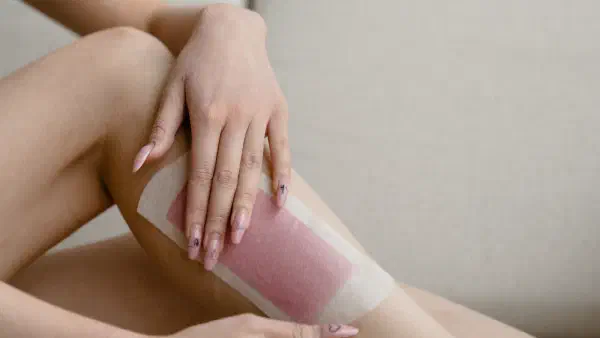
Sugaring: Hair Removal with Sugar Paste Step by Step
In this article
Note: This article contains affiliate/advertising links. As an Amazon Associate we earn from qualifying purchases. If you click such a link and buy something, we may receive a small commission – at no extra cost to you.
Smooth skin without harsh chemicals and with ingredients you basically know from your kitchen: that is exactly what sugaring promises. The method removes hair with a thick paste made of sugar, water and lemon juice and is considered a particularly skin-friendly alternative to classic waxing. In this guide you will learn how sugaring works, why it is comparatively gentle and how to apply it yourself step by step.
What is sugaring exactly?
Sugaring is a form of epilating hair removal in which the hairs are pulled out of the skin along with the root. Unlike shaving, the hair is not just cut off at the surface but removed completely. As a result, the outcome lasts considerably longer, often three to four weeks.
What makes sugaring special is the sugar paste: a thick, caramel-colored mass that you work at body temperature. It adheres mainly to the hair and less to the living skin layer. This is precisely what sets it apart from warm wax, which clings more strongly to the skin and takes more skin cells with it when pulled off.
Why is sugaring considered gentle on the skin?
Several properties contribute to the method’s gentle reputation:
- Low temperature: The paste is applied only lukewarm. The risk of burning yourself is lower than with hot wax.
- Pulling in the direction of growth: With sugaring you remove the hairs in their natural direction of growth. This protects the hair follicle and prevents broken hairs.
- Few ingredients: The classic paste contains no resins, preservatives or fragrances. This is pleasant for sensitive skin that tends to get irritated.
- Water-soluble: Residues can simply be rinsed off with lukewarm water, without any oil or solvent.
Still, sugaring remains a mechanical form of hair removal in which hairs are torn out. Slight redness right after the application is normal. If you have a skin condition, very sensitive skin or open areas, have the application checked beforehand by a doctor or a cosmetician if in doubt.
The right preparation
Good preparation determines the result. For the paste to grip, the hair should be about three to five millimeters long, roughly as long as a grain of rice.
- Exfoliation: One to two days beforehand, gently exfoliate the skin to loosen dead skin flakes and ingrown hairs.
- Cleansing: Right before the application, cleanse the skin thoroughly and dry it completely.
- Degrease and powder: A thin layer of baby powder or cornstarch binds residual moisture. This way the paste adheres better to the hair than to the skin.
- Check the temperature: The paste should be pleasantly warm and easy to knead, never hot.
Sugaring step by step
This is how you proceed with the actual application:
- Knead: Take a walnut-sized amount of paste and knead it briefly until it becomes smooth and slightly lighter.
- Apply: Apply the paste against the direction of growth of the hairs and spread it flat with some pressure. This way it surrounds every hair.
- Stretch: Stretch the skin tight with your free hand. This is important so that you don’t get bruises.
- Pull off: Pull the paste off with a quick, flat flick in the direction of growth parallel to the skin, not upward.
- Repeat: You can use the same ball of paste several times, as long as it stays thick and does not soften too much.
Work your way forward in small sections. Especially under the arms and in the bikini area, hairs grow in different directions, so it is worth briefly checking the direction of growth for each area.
Care after sugaring
After the treatment, the skin is more sensitive for a short time. Therefore note:
- Rinse residues off with lukewarm water.
- Avoid perfumed lotions, sauna, tanning beds and intense sun for the first 24 hours.
- Exfoliate gently again one to two days after the application to prevent ingrown hairs.
- Apply a soothing, low-irritation care product if needed.
Make it yourself or buy it ready-made?
You can make the paste yourself: sugar, water and lemon juice are slowly heated until a golden-brown, viscous mass forms. The right cooking point, however, takes practice, because cooked too briefly the paste stays liquid, cooked too long it becomes brittle. Ready-made pastes from the store take this risk off your hands and are often available in different degrees of firmness for various parts of the body.
Sugaring compared to other methods
Sugaring is a good choice if you are looking for a natural, comparatively gentle method and are satisfied with a result that lasts a few weeks. However, you will not achieve a truly permanent reduction of hair growth with it. If your goal is long-term hair-free skin, it is worth taking a look at light-based procedures such as Laser hair removal: permanently hair-free explained or IPL hair removal: light pulses against hair at home. Sugaring and these methods can also be combined, for example to bridge the time until the next treatment.
Frequently asked questions (FAQ)
Does sugaring hurt? Since the hairs are removed along with the root, a brief pulling pain is noticeable. Because it is pulled off in the direction of growth and the skin is stretched in the process, many people find it more pleasant than classic waxing. With each application it usually becomes less uncomfortable.
How often do I have to repeat sugaring? Typically every three to four weeks, depending on your individual hair growth. Over time the hair can grow back finer, so the intervals get longer.
Is sugaring suitable for sensitive skin? Often yes, because the paste contains only a few ingredients and works at a low temperature. Still, test it on a small area first. If you have skin conditions or strong irritation, you should have the application professionally evaluated.
Can I go into the sun right after sugaring? Better not. The skin is briefly irritated and more sensitive to light. Avoid intense sun, tanning beds and sauna for about 24 hours.