Gel nail refills: when they're needed and how it works
In this article
Note: This article contains affiliate/advertising links. As an Amazon Associate we earn from qualifying purchases. If you click such a link and buy something, we may receive a small commission – at no extra cost to you.
Beautiful gel nails last a long time, but not forever. Because your natural nail keeps growing, the gel gradually moves forward over time, leaving a visible gap at the nail bed. At the latest by then, the question arises: refill or have them redone? In this guide you’ll learn when a refill is really necessary, how the appointment works and how to care for your nails best between two appointments so they stay stable and well-groomed for a long time.
Why do gel nails need to be refilled at all?
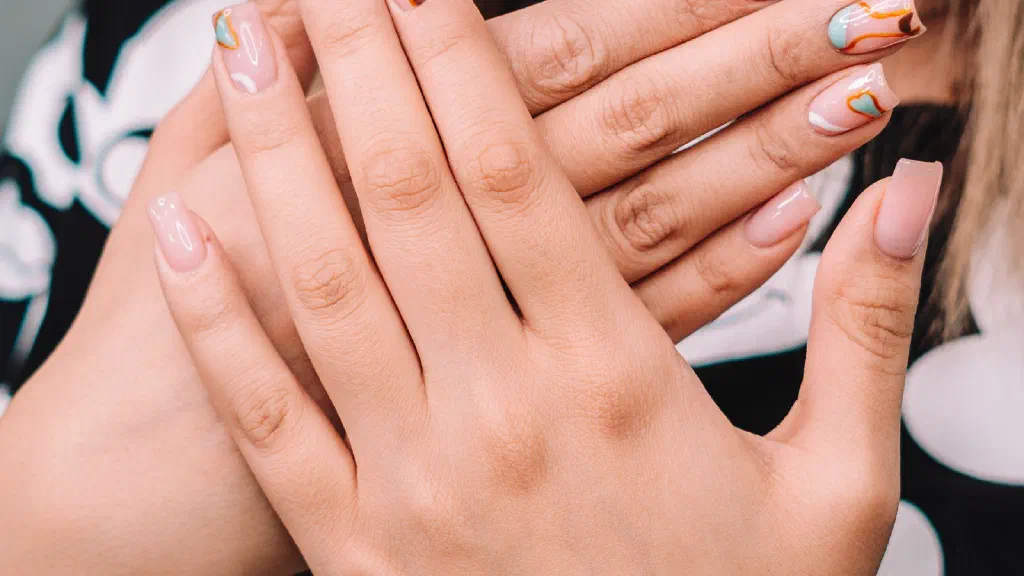
Your natural nail grows on average about 3 millimetres per month – usually a little faster on the hands than on the feet. The gel itself, of course, does not grow with it. This creates a small, ever-growing step between the cuticle and the gel layer. This grown-out area is also called regrowth.
This regrowth is not only visually distracting, it’s also a practical problem: the balance of weight and leverage shifts, and the nail becomes more prone to lifting or breaks. That’s exactly why the rule is: better to refill regularly than to wait too long and end up with chipped gel or a torn nail.
When is a refill necessary? Typical signs
You don’t have to follow the calendar rigidly – your nail will show you when it’s time. Watch out for these signals:
- Visible regrowth: A clear strip of natural nail is visible at the nail bed, usually from 2 to 3 millimetres on.
- Noticeable step: You can feel an edge between the natural nail and the gel with your finger.
- Beginning lifting: The gel lifts slightly at the edges or at the lunula.
- Changed shape: The nails look top-heavy or the shape no longer looks right.
- Cracks or stress points: Tiny hairline cracks in the gel indicate material fatigue.
At the latest when the gel comes loose in one spot, you should book an appointment soon. Moisture can collect under lifted gel – an environment where, in the worst case, germs can thrive. If you notice discolouration, an unpleasant smell or a changed nail structure, read our guide on recognising and treating nail fungus and, when in doubt, have the cause checked by a doctor.
How often should you get a refill?
There’s no fixed interval, because nail growth is individual. As a guideline:
- Fast growth / a visible desire for perfection: every 2 weeks.
- Average growth: every 3 weeks – this is the most common rhythm.
- Slow growth / subtle natural shades: up to 4 weeks.
Light, natural colours forgive larger regrowth much better than strong or dark shades, where the boundary stands out immediately. French designs also show regrowth quickly. If you’d like longer intervals, plain nude tones or a subtle matte look are more practical than bold contrasts.
How a refill appointment works
A refill usually takes about 45 to 75 minutes. The process is similar with most nail designers:
- Trim and shape the old gel: The nails are brought to the desired length.
- Buffing: The glossy top layer is matted and the regrowth carefully blended. The old gel is only removed completely if it’s damaged.
- Push back the cuticle and remove lifting: Loose gel areas are removed so no cavities remain.
- Apply new gel: The grown-out area is filled with fresh gel so an even surface is created.
- Curing: Each layer is cured under UV or LED light.
- Shape and seal: Finally come the finish, colour or design and the care of the cuticle.
Refill or completely redo?
A refill is the gentler option, because the natural nail doesn’t have to be completely exposed and rebuilt every time. How often you need to refill rather than redo also depends on the material – if you’re torn between systems, our comparison of the difference between Shellac and gel nails helps you judge durability correctly. A complete redo makes sense when:
- gel has come loose over a large area on several nails,
- the nails are discoloured or uneven,
- you want to fundamentally change the shape or style,
- or the natural nail needs a break and a check-up.
Care between appointments
The right care decides whether your nails stay flawless until the next appointment. These habits help:
- Nail oil daily: Massage nail oil into the cuticle and nail fold. It keeps the skin supple and prevents cracks.
- Don’t forget hand cream: Dry hands make the nails look more brittle.
- Gloves for housework: Cleaning products and prolonged water exposure attack the gel’s adhesion.
- Don’t use nails as tools: No scratching off labels or opening tins – that’s the most common cause of breakage.
- Don’t pick at them yourself: Never peel off lifted gel. You tear off the top layer of the natural nail along with it.
If a nail does break or the gel chips, have the damage repaired professionally soon instead of waiting. That keeps the natural nail protected.
When is your next appointment due?
Enter your last appointment and immediately see when the refill is due:
Wann ist deine Maniküre fällig?
Trag deinen letzten Termin ein – wir rechnen aus, wann es Zeit für die nächste wird.
Frequently asked questions (FAQ)
How long do gel nails last between two refill appointments?
As a rule, gel nails look well-groomed for 2 to 4 weeks. Exactly how long depends on your nail growth, the strain in everyday life and the chosen colour. Strong shades show the regrowth earlier than natural nuances.
Is refilling harmful to the natural nail?
A professional refill is gentler than a complete rebuild, because the natural nail isn’t fully buffed every time. It’s important that only the surface is gently matted and not filed too deep. Give your nails a break in between when needed.
Can I also refill gel nails myself at home?
With some practice and the right materials this is possible, but demanding. Even buffing and removing lifting require experience. For beginners it’s easier to book an appointment at the studio to avoid damaging the natural nail.
What to do if the gel discolours or the nail smells odd?
Discolouration, smell or a changed nail structure can indicate trapped moisture or an infection. In that case, don’t remove the gel forcefully yourself, but have the cause checked by a doctor when in doubt.