Herbal Stamp Massage: Warm Herbs for Deep Relaxation
In this article
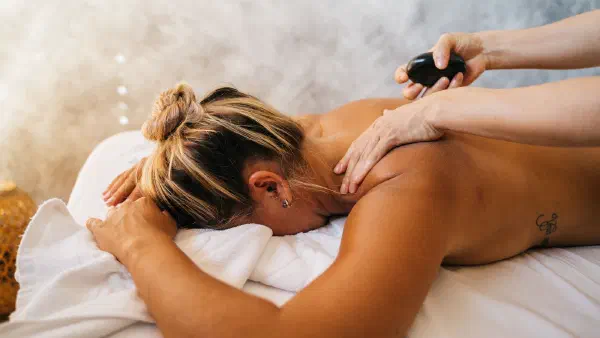
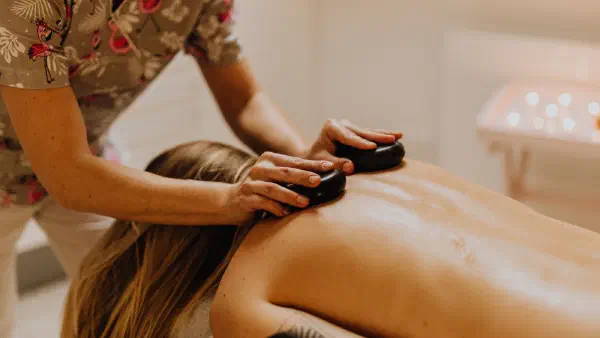
Imagine warm, fragrant fabric pouches gliding across your back in gentle movements, while the scent of fresh herbs spreads through the room. This is exactly what the herbal stamp massage is – a wellness treatment that combines soothing warmth, essential plant compounds and targeted massage techniques. Originally from the Southeast Asian region, this method has long since established itself in European spas and massage practices as well. In this guide, you’ll learn how a herbal stamp massage works, what effects it has and who it is particularly suited to.
What is a herbal stamp massage?
In a herbal stamp massage, small fabric pouches are used that are filled with a mixture of dried or fresh herbs, spices and sometimes rice or linseed. These so-called herbal stamps are warmed before the treatment – usually with steam – and then placed on the skin, rolled or guided over the body in circular movements.
The warmth opens the pores, allowing the active ingredients contained in the stamp to be absorbed more easily by the skin. At the same time, the warm pouches in combination with the massage techniques release tension in the muscles. Typical ingredients are lemongrass, ginger, turmeric, camphor, citronella or herbs such as rosemary and lavender. The exact mixture varies depending on the tradition and the desired effect.
How does a herbal stamp massage work?
A classic treatment usually follows a similar sequence, even if each practice sets its own accents:
- Preparation: The herbal stamps are warmed in a steamer or over hot water until they reach a pleasant, well-tolerated temperature.
- Oiling: Often the skin is first prepared with a warm massage oil so that the stamps glide better.
- Temperature test: Before the stamp is used over a large area, the warmth is checked on a small patch of skin to avoid burns.
- Massage: In calm, flowing movements, the stamps are guided over the back, shoulders, legs or other body areas – sometimes dabbing, sometimes rolling, sometimes with gentle pressure.
- After-rest: The treatment is followed by a rest phase so that warmth and active ingredients can take effect.
A session usually lasts between 45 and 90 minutes. The alternation between warmth, pressure and the flowing movements ensures that body and mind relax step by step.
The effect of warm herbal stamps
The special appeal of this form of massage lies in the interplay of several factors. Three elements work simultaneously here:
Warmth
The warmth of the stamps promotes blood circulation and helps to loosen the muscles. Warm applications have always been used for relaxation – they are, in a sense, the exact counterpart to cold-based methods such as cryotherapy, which relies more on stimulation and regeneration through cold.
Aromas
The essential oils of the herbs give off an intense scent that can act on the autonomic nervous system. Many people find scents such as lemongrass or lavender soothing, which supports the overall relaxing effect.
Massage techniques
The manual techniques – stroking, pressing, rolling – release tension in the tissue and promote physical well-being. This combination of touch and plant power is reminiscent of traditional methods such as the Lomi Lomi massage, in which rhythm and flowing movement are likewise central. If you find the Asian origin of this form of massage intriguing, you can also take a look at Thai massage with its stretching and pressure.
Important: The herbal stamp massage is a feel-good application, not a medical treatment. It can contribute to relaxation but does not replace medical or physiotherapeutic treatment.
Who is the treatment suitable for?
The herbal stamp massage appeals above all to people who suffer from stress, inner restlessness or muscular tension and want to treat themselves to a holistic time-out. Anyone who simply enjoys the combination of warmth and pleasant scents is also in good hands here.
In the following situations, however, you should be cautious or consult beforehand:
- Pregnancy: Heat and herbal applications only after professional consultation.
- Skin conditions or open wounds: Treatment of the affected areas is not advisable here.
- Allergies: If you react sensitively to certain herbs or essential oils, clarify the ingredients beforehand.
- Cardiovascular problems or fever: Heat treatments can be stressful – have them assessed by a doctor if in doubt.
Speak openly with the person treating you about pre-existing conditions and sensitivities. This way, the application can be adapted well.
Tips for the application
To get the best out of your treatment, a few simple pointers will help you:
- Drink plenty of water before and afterwards, as heat applications stimulate the circulation.
- Plan for rest: Right after the massage, you should give yourself time to take it in rather than rushing straight back into everyday life.
- Avoid a heavy meal shortly before the treatment.
- Pay attention to high-quality herbs: Fresh or well-stored ingredients release their aroma much better.
Whether in a professional spa or as a complementary application – the herbal stamp massage offers you a soothing break from everyday life, in which warmth and plant power go hand in hand.
Frequently Asked Questions (FAQ)
How often can I have a herbal stamp massage? That depends on your condition and your goals. As a pure feel-good application, there is usually nothing to be said against regular treatment, for example every few weeks. If you have health complaints, you should coordinate the frequency with a professional.
Does a herbal stamp massage hurt? No, it is generally experienced as very pleasant. The pressure is usually gentle to medium-firm and is adapted to your sensitivity. Let the therapist know at any time if something is uncomfortable – for instance if the stamps are too warm.
Can I make herbal stamps myself? In principle yes; simple stamps can be tied yourself using fabric pouches and dried herbs. Pay particular attention to safe, even warming and always test the temperature beforehand to avoid burns.
How does the herbal stamp massage differ from a classic massage? While the classic massage is based primarily on manual techniques, the herbal stamp massage additionally adds the effect of warmth and herbal aromas. This combination makes it a particularly sensory, holistic application.