Types of Massage at a Glance: From Classic to Hot Stone
In this article
A good massage can release tension, clear your mind and give you a deep sense of well-being. But the choice is huge: classic, hot stone, Thai, lymphatic drainage, aroma oil massage – each form follows its own idea and suits different needs. So that you don’t stand clueless in front of the treatment list at the spa, here you get a clear overview of the most common types of massage, their effects and the question of who they are especially worthwhile for.
The classic massage as a foundation
The classic massage, often also called Swedish massage, is the best-known and most widespread form. It works with five basic grip techniques: effleurage, kneading, friction, tapping and vibration. The goal is to loosen the muscles, stimulate circulation and release tension.
This massage is especially well suited when you are tense in the neck and shoulder area after a long working day or simply want to switch off. The intensity can be adapted well – from gentle and relaxing to firm and muscle-loosening. Before the treatment, talk to the practitioner about where your problem areas are and how much pressure feels comfortable to you.
Feeling warmth: Hot stone and aroma oil
Hot stone massage
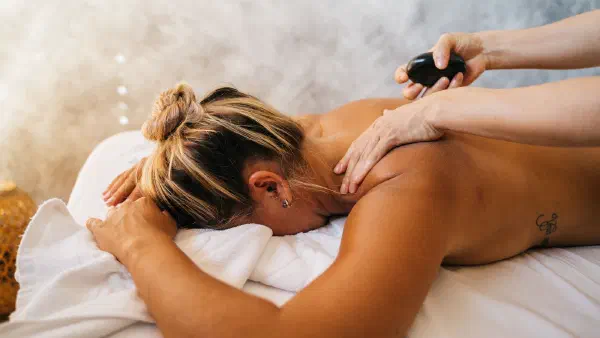
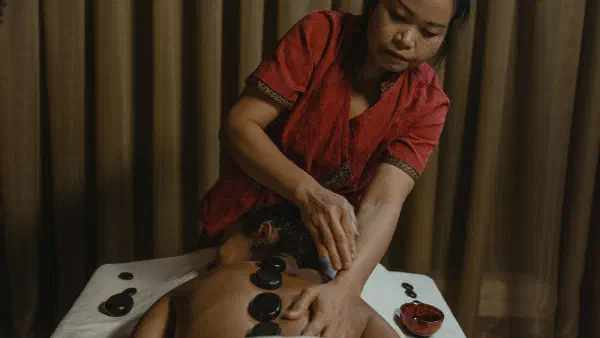
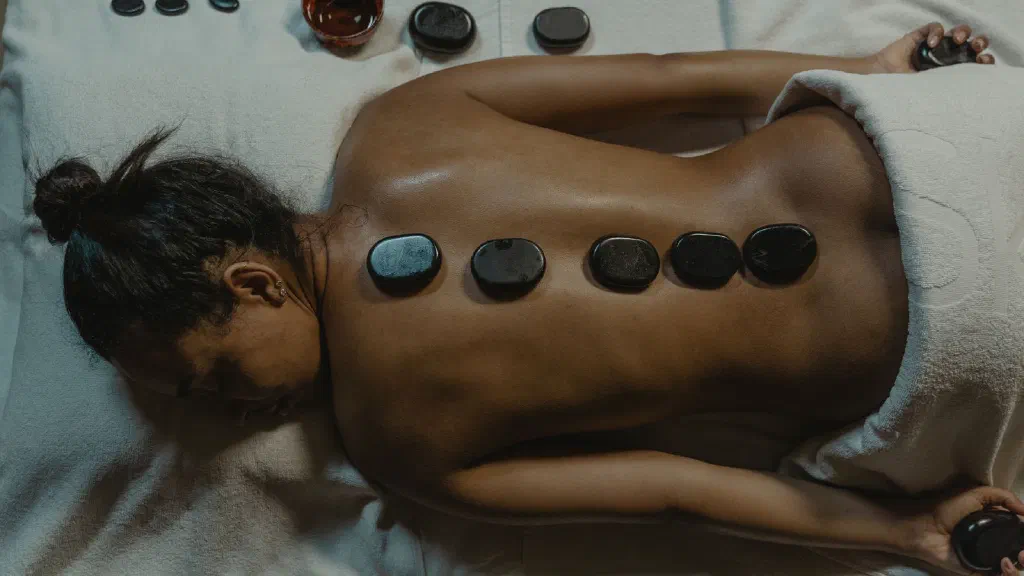
In the hot stone massage, heated basalt stones are placed on the body and partly used as a massage tool. The warmth penetrates deep, relaxes the muscles and makes the tissue more supple. Many people find this form especially soothing and calming, particularly in the cold season or when warmth generally does you good.
The warmth makes it easier for the practitioner to gently reach even deeper tension without having to apply strong pressure. If you react sensitively to heat or have circulatory problems, you should mention this in advance.
Aroma oil massage
The aroma oil massage combines gentle grip techniques with fragrant plant oils. The focus is clearly on relaxation and enjoyment. Depending on the selection, the oils used can have an invigorating or calming effect. If the topic of scents fascinates you, it’s worth taking a look at aromatherapy and the effects of essential oils to find the right aromas for your mood.
Movement and energy: Thai massage
The Thai massage differs significantly from Western forms. It usually takes place clothed on a mat on the floor and combines pressure point work along so-called energy lines with passive stretches reminiscent of yoga. The practitioner uses hands, thumbs, elbows, knees and feet.
This massage is more activating than soporific and is well suited when you want to promote your mobility and feel loosened up and revitalized afterwards. The stretches can be intense – give feedback if something goes too far.
Gentle and targeted special forms
Some types of massage pursue a clearly defined goal and work with very specific techniques:
- Lymphatic drainage: A very gentle, rhythmic technique that supports the removal of tissue fluid. It is frequently used for swelling and, when medically necessary, should only be carried out by trained professionals.
- Sports massage: Firm and functionally oriented, to loosen muscles before or after exertion and support regeneration.
- Foot reflexology massage: Here, certain zones on the foot are stimulated which, according to the underlying concept, are connected to various areas of the body.
- Trigger point massage: Targeted, localized pressure on hardened spots in the muscles to release local tension.
These forms are often less about pure enjoyment and more about a specific concern. Clarify in advance what you want to achieve so that the technique matches.
How to find the right massage
The most important question is: What do you want to achieve? If it’s about relaxation and stress relief, the classic massage, the aroma oil massage or the hot stone massage are good starting points. If mobility and a revitalizing feeling are in the foreground, the Thai massage fits. For specific complaints, a targeted special form is worthwhile.
Also pay attention to these points:
- Pressure intensity: Do you like it gentle or firm? Say so openly, because a massage should not go beyond your pain threshold.
- Heat perception: If warmth does you good, hot stone is ideal – not so much if you are sensitive to heat.
- Setting: Some forms are clothed and active (Thai), others quiet and with oil (aroma oil).
- Pre-existing conditions: With acute complaints, pregnancy, vein problems or skin conditions, you should have a massage medically clarified if in doubt.
If you prefer to enjoy relaxation within your own four walls, simple self-massages can be combined well with further rituals – you’ll find inspiration in our home spa ideas for a relaxation day.
Frequently Asked Questions (FAQ)
How often should I have a massage? That depends on your concern. For pure relaxation, an appointment every few weeks is enough for many people. With persistent tension, a shorter interval can make sense at first. Listen to how your body feels and talk to your practitioner about a suitable rhythm.
Which massage is best for beginners? The classic massage is an ideal introduction because its intensity can be adapted well and it covers a broad spectrum. The aroma oil massage is also very gentle and pleasant if you first just want to relax.
Is it normal for a massage to hurt a little? Light, easily bearable pressure on tense spots is normal. Real pain, on the other hand, is not – say so immediately if something is uncomfortable for you, so that the technique or the pressure can be adjusted.
When should I avoid a massage? With fever, acute inflammation, fresh injuries or certain pre-existing conditions, caution is advised. In such cases and during pregnancy, you should have the massage medically clarified beforehand.