Turkish Bath: The Hammam Ritual Step by Step
In this article
A visit to the hammam is more than just a bath – it is a centuries-old cleansing ritual that cares for body and mind in equal measure. The Turkish bath combines moist heat, gentle exfoliation and a soap-foam massage into a sequence that has barely changed over the centuries. If you are standing in front of a hammam door for the first time, you might wonder what awaits you and in what order the individual steps take place. In this guide I will walk you through the complete ritual so that you can immerse yourself relaxed and well prepared.
What exactly is a hammam?
The term hammam comes from Arabic and roughly means “spreader of warmth”. Unlike the Finnish sauna with its dry heat, the Turkish bath works with moist heat at moderate temperatures of around 40 to 50 degrees Celsius and very high humidity. At the centre of a classic hammam stands the Göbektaşı, a large, heated marble stone in the middle of the room. The ritual begins on this warm bed, and this is also where the exfoliation and massage take place later.
Traditionally, hammams are separated by gender or offer separate times. For centuries the bath was a social meeting place – a spot where people not only cleansed themselves but also found peace and cultivated community. Equally deeply rooted is the Japanese bathing culture of the onsen, which takes a wholly distinct path to cleansing and relaxation with its hot springs.
The preparation
Before you enter the actual bathing room, you change. Usually you wear a thin cotton cloth, the Peştemal, which you wrap around your hips. In many hammams you also receive wooden slippers so that you have a secure footing on the warm, sometimes slippery marble floor.
You should keep the following things in mind before your visit:
- Drink plenty of water beforehand and afterwards, as you lose a lot of fluid in the steam.
- Don’t go to the bath on a full stomach, but not completely fasting either.
- Take your time consciously – haste does not suit the spirit of the hammam.
- If you have circulation problems or health complaints, check the visit with a doctor beforehand if in doubt.
Step 1: Warming up in the steam
The first part of the ritual is for warming up. You lie or sit on the warm marble stone and let the moist heat work on you. During this phase, which usually lasts 15 to 20 minutes, the crucial thing for the later cleansing happens: the warmth opens the pores, the skin becomes soft and the circulation is stimulated.
Many visitors repeatedly pour warm water over their body with a small bowl during this time. Enjoy this moment of stillness – the slow pace is part of the ritual and prepares your body for the following steps. The relaxation that sets in here resembles the effect of targeted relaxation techniques, like those you can also find in Acupressure: stimulating pressure points yourself for more relaxation.
Step 2: The scrub with the Kese
After warming up comes the heart of the cleansing: the scrub. For this the Kese is used, a coarse glove made of natural fibres. The bath attendant – called Tellak or Natir in Turkish – works over your entire body with vigorous, rhythmic movements.
What comes to light surprises many the first time: dead skin flakes visibly loosen from the skin. This is exactly the intention, because the scrub removes old skin cells and exposes the fresh, smooth skin underneath. Even though the treatment is vigorous, it should not be painful – feel free to say so if the pressure becomes too strong for you.
Step 3: The soap-foam massage
Next comes what is probably the most pleasurable part: the soap-foam massage. With a fine cloth that is dipped in soapy water and filled with air by skilfully puffing it up, a huge cloud of warm foam is created. This is spread over your body until you are literally enveloped in foam.
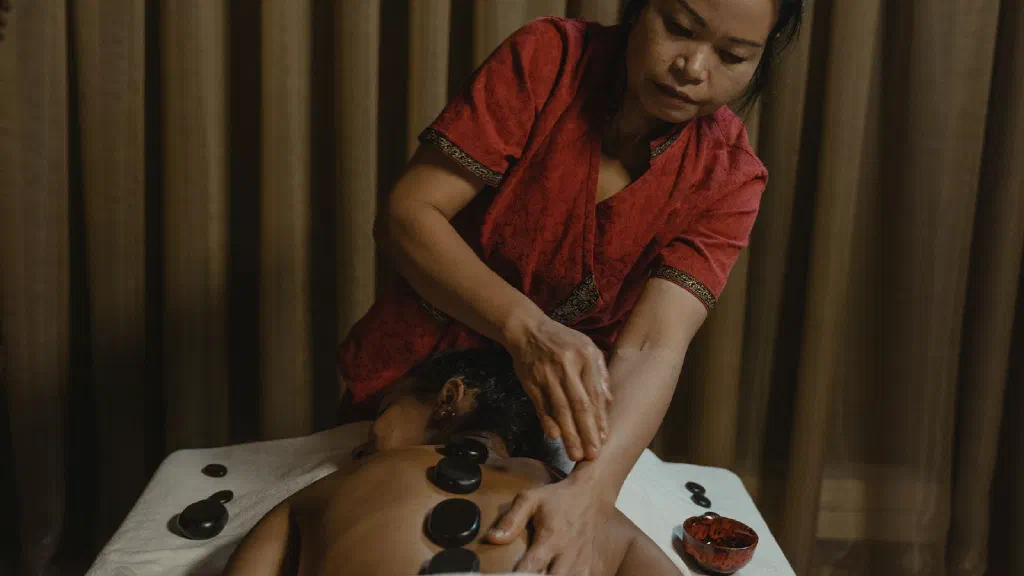
Beneath the soft foam the Tellak massages your muscles and joints. This massage releases tension and rounds off the cleansing. Anyone looking for a more targeted physical treatment will find a fitting deeper path in the therapeutic massage, while the hammam massage serves more for well-being and relaxation.
Step 4: Rinsing off and washing the hair
Once the massage is over, the entire foam is rinsed off with warm water. Often a hair wash follows, also done by hand and with plenty of water from the traditional metal bowl. Afterwards your skin feels noticeably smoother and cleaner than before – a result of the combination of warmth, scrub and soap.
Step 5: The resting phase
No hammam visit is complete without the closing resting phase. In a cooler room you wrap yourself in dry towels and let your circulation settle down. Here you traditionally drink Çay (Turkish tea) or water to make up for the fluid loss.
This pause is not a mere appendage but an integral part of the ritual. Your body has experienced warmth, scrub and massage – now it may resonate. Many describe the feeling afterwards as a deep, pleasant tiredness combined with great lightness.
What you should keep in mind as a guest
To make your visit relaxed, a few simple tips help:
- Clarify in advance whether the scrub and massage are included in the price or booked separately.
- Respect the calm atmosphere and speak quietly.
- Follow the staff’s instructions – they know the procedure best.
- Don’t plan any strenuous appointments afterwards, but allow yourself time to wind down.
Frequently asked questions (FAQ)
How often should you visit a Turkish bath? That depends on your skin type and your preferences. An intensive scrub every week can irritate the skin, so for many a visit every two to four weeks is enough. Listen to how your skin feels and adjust the rhythm accordingly.
Do I have to be completely naked in the hammam? No. In most hammams you wear the Peştemal around your hips, and this cloth usually stays on during the scrub and massage too. The exact customs differ from house to house; ask at reception if in doubt.
Is a hammam visit suitable for everyone? The moist heat puts a strain on the circulation. If you are pregnant, have low or high blood pressure or suffer from cardiovascular diseases, you should have the visit checked by a doctor beforehand if in doubt. Caution with the scrub is also advised in the case of skin injuries.
What should I wear after the hammam? Comfortable, airy clothing is ideal, as your body is still sweating and the circulation needs some time to settle. Avoid cold or draughts directly afterwards and allow yourself a slow transition back into everyday life.