Spa cure holiday: types of cure, what to expect and how to choose
In this article
A spa cure holiday is more than a few relaxing days at a hotel. It follows a concept of treatments, exercise, nutrition and rest that builds up over several days or weeks. If you are hearing the term for the first time, you are probably wondering what exactly sets a cure apart from an ordinary wellness weekend, which types of cure exist, and whether your health insurer contributes anything. This guide sorts out the terms, explains the typical routine and shows you what to look for when choosing a spa town and a cure hotel.
What a spa cure holiday is
A cure is a time-limited, carefully arranged sequence of treatments with a clear goal: to strengthen the body, ease complaints or prevent illness. The word comes from the Latin “cura” for care and attention. Unlike a spontaneous spa day, a cure works through repetition. Only the regular sequence of baths, exercise, nutrition and rest over several days or weeks produces the real effect.
A duration of around two to three weeks is typical, with shorter health weeks available from three to five days. Classic spa towns often carry additions such as “Bad” (bath) in their names, because they make use of a healing spring, a healing climate or seawater. It is precisely these location-bound resources that set a cure apart from a wellness stay you could in theory book anywhere.
The main types of cure at a glance
The umbrella term cure covers very different concepts:
- Healing cure: targets an existing illness, such as rheumatic complaints or respiratory problems, with treatments prescribed by a doctor at the spa town.
- Preventive and rehab cure: the preventive cure heads things off before they become chronic; the rehab cure follows an operation or illness and restores your resilience.
- Wellness and health cure: without a medical prescription, but with a focus on relaxation, stress relief, exercise and healthy nutrition. You book this form as a self-payer.
- Kneipp cure: built on the five pillars of Sebastian Kneipp, above all water treatments, exercise, healing herbs, nutrition and inner balance.
- Thalasso cure: uses seawater, algae, sea mud and sea air, typically on the coast. Good for the skin and the respiratory tract.
- Thermal cure: built on warm, often mineral-rich spring water. The warmth loosens muscles and joints, while floating in the water relieves strain.
Which type of cure makes sense depends on your goal and on the location. A thalasso cure only works by the sea, a thermal cure only where a spring bubbles up.
How a cure typically works
Initial consultation and plan
Especially with medical cures, an initial medical consultation comes first. Your history and goals are discussed there and an individual treatment plan is drawn up. With pure health and wellness cures, this role is often taken by an advisory talk at the hotel, in which you put together your programme.
Treatments and daily structure
A cure day is usually clearly structured. Treatments are spread across the morning and afternoon, with fixed rest periods in between. Typical building blocks are:
- Baths and douches: thermal baths, contrast showers, Kneipp douches or mud packs.
- Exercise: water gymnastics, guided walks, terrain cures or breathing exercises.
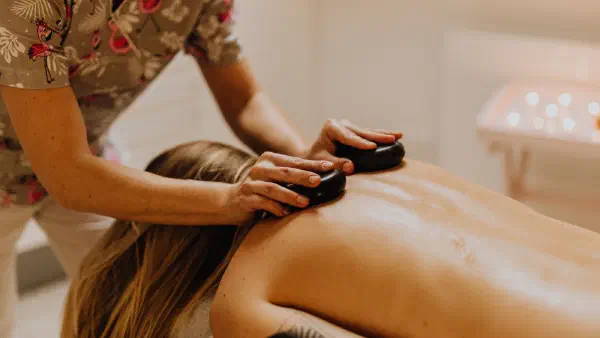
- Massage and physiotherapy: classic massages, lymphatic drainage or physiotherapy sessions.
- Nutrition and advice: tailored meals, talks, cooking classes or relaxation training.
The breaks matter. After a warm bath or a vigorous massage, rest belongs to the routine so the body can process the stimuli. Incidentally, you can try out how such water treatments feel at home beforehand, for instance with the gentle Kneipp treatments for home.
Medical cure or wellness cure
The biggest difference lies in the goal and in who pays. A medical cure serves to treat or prevent an illness. It is prescribed by a doctor, and health or pension insurance may contribute to the costs. Fixed requirements apply for this, an application and medical findings are needed, and a personal contribution is often due. Which services are covered is something you clarify individually with your insurer.
A wellness or health cure, by contrast, is a private break without a medical indication. You book it as a self-payer at the hotel and put together your programme flexibly. Nobody prescribes anything to you, but in return you decide on pace and content yourself. You will also find a similarly structured break in an Ayurveda cure and its routine, which is likewise built up over several days. These notes do not replace medical advice. Whether and in what form a cure is right for you is best discussed with your doctor.
What to look for in a spa town and cure hotel
The location helps determine what a cure can deliver. So pay attention to:
- Location-bound resources: is there a thermal spring, a healing climate or proximity to the sea that fits your goal?
- Facilities at the house: an in-house therapy and bathing area, qualified staff, treatments on site or external trips?
- Catering: can the meals be tailored to your needs, for instance light, low-salt or vegetarian?
- Quiet and surroundings: a spa park, walking trails and a low-stimulus setting help you switch off.
- Depth of programme: supervised treatments and advice rather than just open sauna access.
You will find a systematic checklist for choosing a hotel, from location through the spa area to catering, in our guide on how to choose a wellness hotel. If your focus is on warm spring water, the overview of what to expect at a thermal spa hotel will also help.
Who a spa cure holiday suits
A spa cure holiday suits people who do not just want to switch off briefly but consciously do something for their health. Those who suffer from recurring tension, exhaustion or stress benefit from the structured alternation of treatment, exercise and rest. A cure also makes sense after a demanding phase of life or as prevention. By contrast, anyone mainly seeking quick recovery over a weekend is often better served by a classic wellness hotel. With existing illnesses or during pregnancy, clarify beforehand with a doctor which treatments are suitable for you.
Frequently asked questions (FAQ)
How long does a spa cure holiday last? Classic cures usually run over two to three weeks, because the effect only sets in through the repetition of the treatments. Pure health and wellness cures are also available as shorter packages from three to five days.
Does health insurance pay for a spa cure holiday? With medically prescribed preventive and rehab cures, health or pension insurers may contribute, provided the requirements are met. Wellness and health cures without a medical indication are self-paid. You always clarify the exact conditions directly with your insurer.
What is the difference between a cure and a wellness holiday? A cure follows a planned concept over several days and often uses location-bound resources such as thermal water or a healing climate. A wellness holiday relies on free recovery without a fixed plan and can be booked anywhere.
Do I need a medical prescription for a wellness cure? No. You book a pure wellness or health cure as a self-payer without a prescription. You only need a medical prescription if an insurer is to contribute. With pre-existing conditions, a talk with your doctor is still advisable.
Which type of cure is the right one for me? That depends on your goal. For muscles and joints a thermal cure is the obvious choice, for the skin and respiratory tract a thalasso cure by the sea, and for an all-round stimulus a Kneipp cure. When in doubt, seek medical advice.